Long-form scene & layout comprehension
Interprets rich, multi-sentence prompts describing zones, typography, lighting, and props together so complex visual briefs do not have to be compressed into short tags.
Qwen Image 3.0 · Long-prompt image generation and reference editing
Call the Qwen Image 3.0 API for long-prompt posters, bilingual typography, exact pixel sizing (512–2048 px), optional prompt rewriting, and multi-reference image editing.
Interprets rich, multi-sentence prompts describing zones, typography, lighting, and props together so complex visual briefs do not have to be compressed into short tags.
Integrates English, Chinese, and mixed-script titles directly into posters, signage, and editorial graphics. Always proofread rendered lettering before publishing.
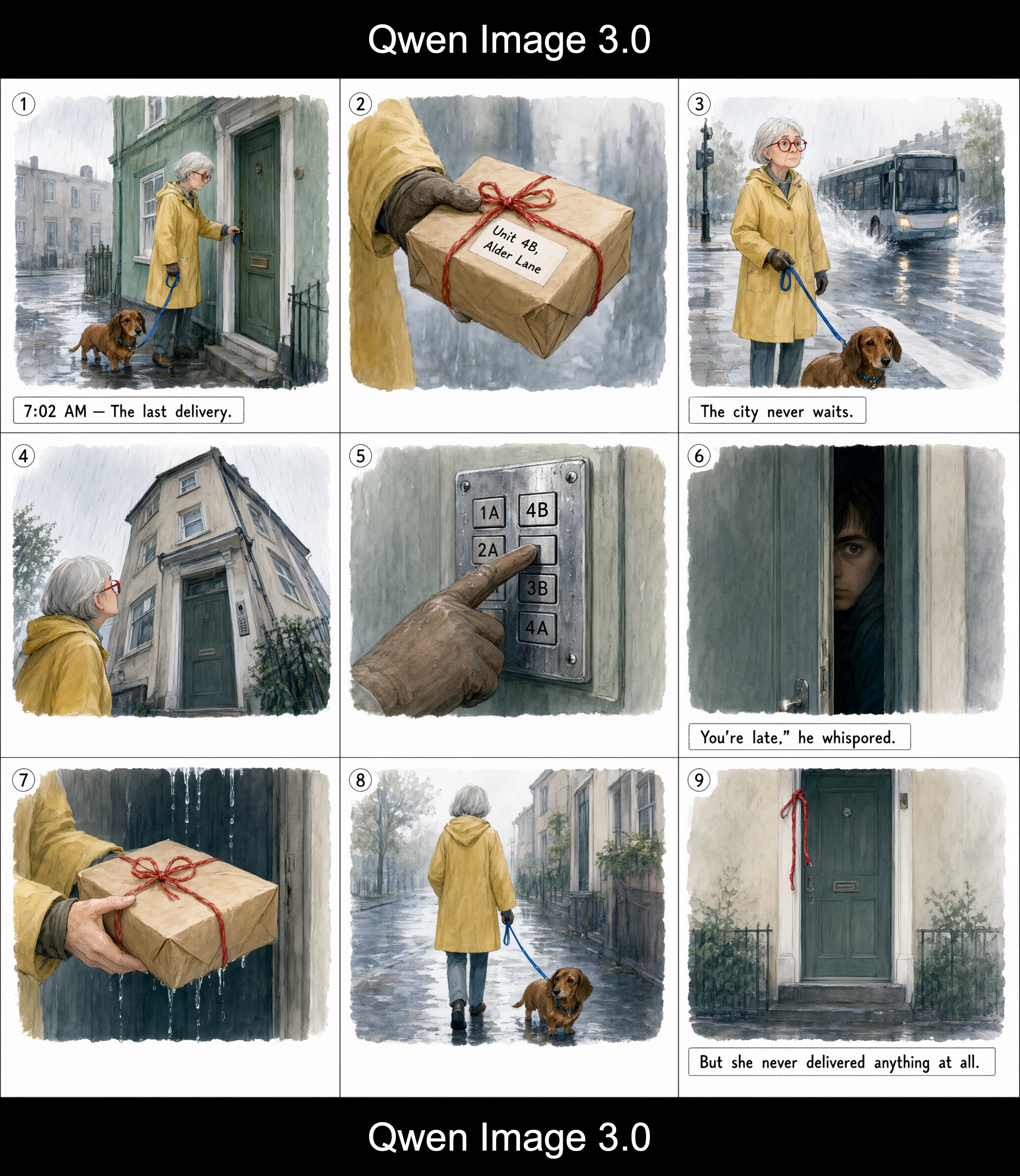
Organizes multi-section diagrams, visual callouts, and storyboard grids within a single canvas to explore narrative pacing and visual hierarchy.
Renders warm natural light, ceramic glazes, paper grain, and atmospheric depth cleanly across editorial posters and lifestyle scenes.
Switch from generation to editing on the same model ID by describing background swaps, lighting shifts, or styling updates in plain language without painting masks.
Combine up to three reference images in one request to blend subjects, props, or scene mood while checking fine subject fidelity on the final output.
Specify exact widthxheight pixel dimensions to match fixed banner, poster, or canvas sizes directly instead of cropping preset aspect ratios.
Keep prompts literal by default, or enable direct rewriting for generation and editing or agent rewriting to expand concise text-to-image briefs.
Pair short display titles with ceramic props, foliage, and editorial paper textures in a single prompt for quick campaign variations.
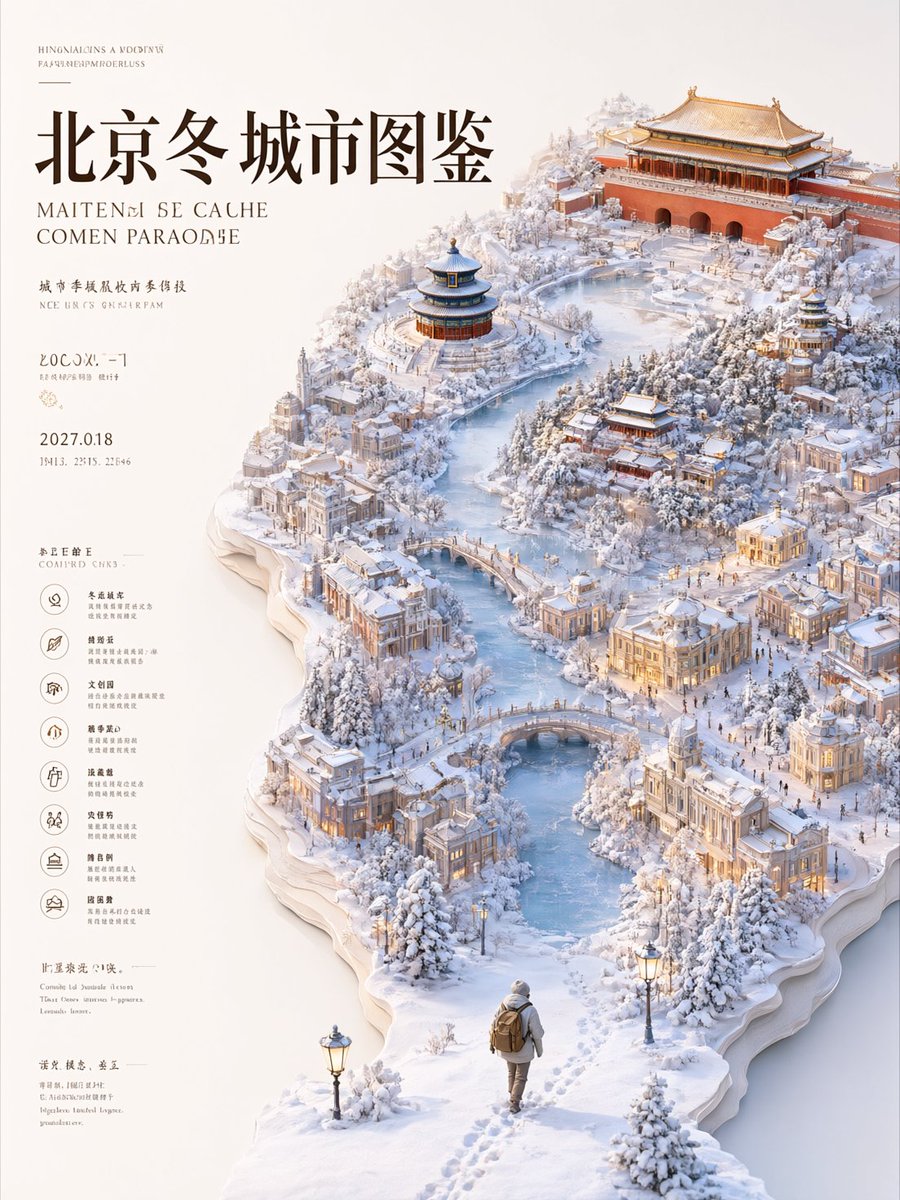
Plan landmark silhouettes, route motifs, and headline zones using long-form layout prompts and custom vertical aspect ratios.
Generate 1:1 campaign visuals with consistent lighting and palette before selecting finalists for social feeds.
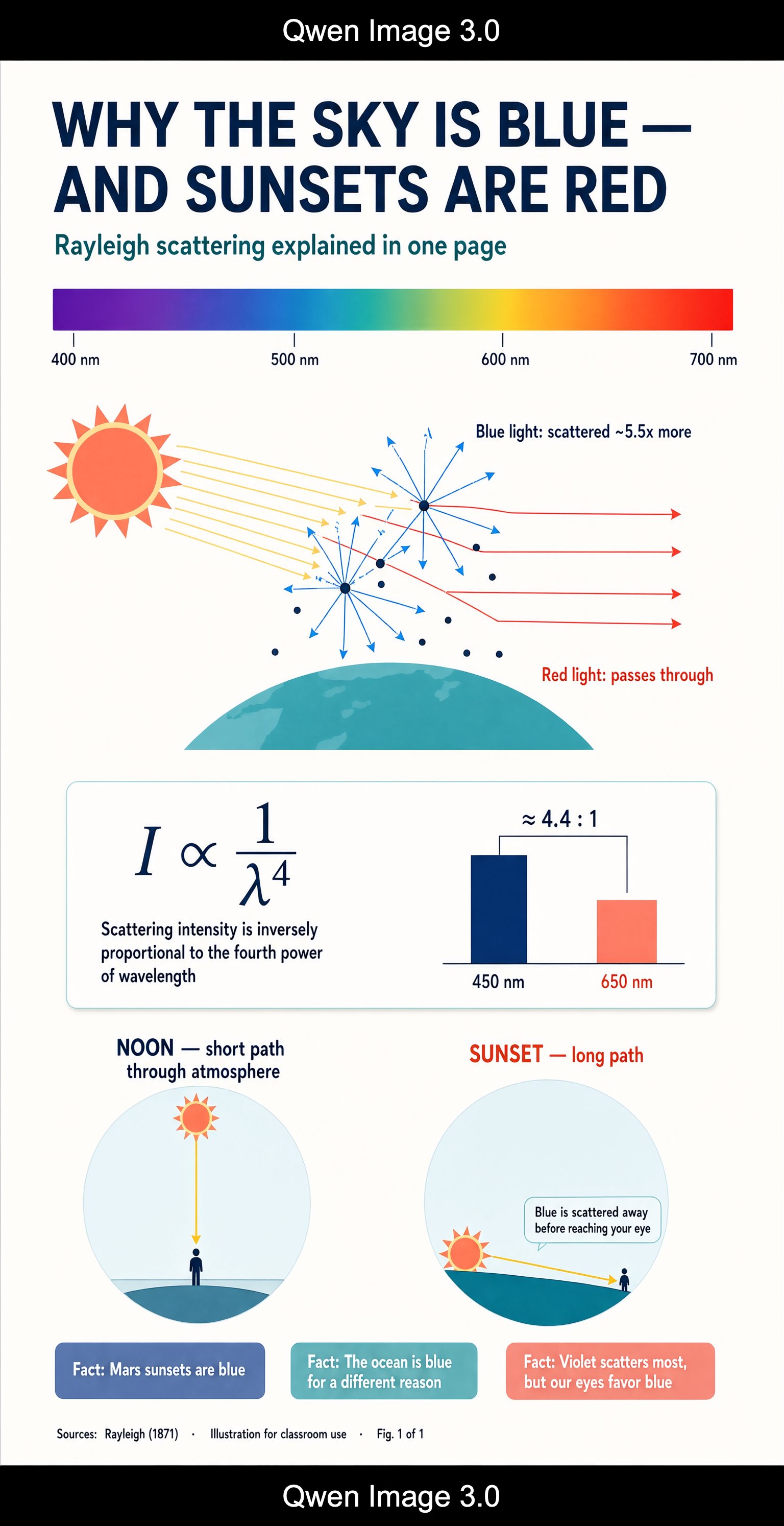
Structure multi-section visual diagrams and clear text labels in long prompts, then verify text accuracy and factual details before release.
Describe panel-by-panel actions and recurring character cues in a long prompt to explore visual pacing in one grid.
Supply your original product photo in image_urls and request new seasonal or studio backdrops while checking subject fidelity.
Generate up to six candidates in one call to compare palettes, framing, and typography without managing separate requests.
Produce coordinated visuals across all seven supported aspect ratios (1:1, 4:3, 3:4, 16:9, 9:16, 3:2, 2:3) or exact pixel sizes.
Verified APIstable sample plus authorized examples produced with Qwen Image 3.0. Cards with a disclosed prompt let you load it into the Playground without starting a paid request.
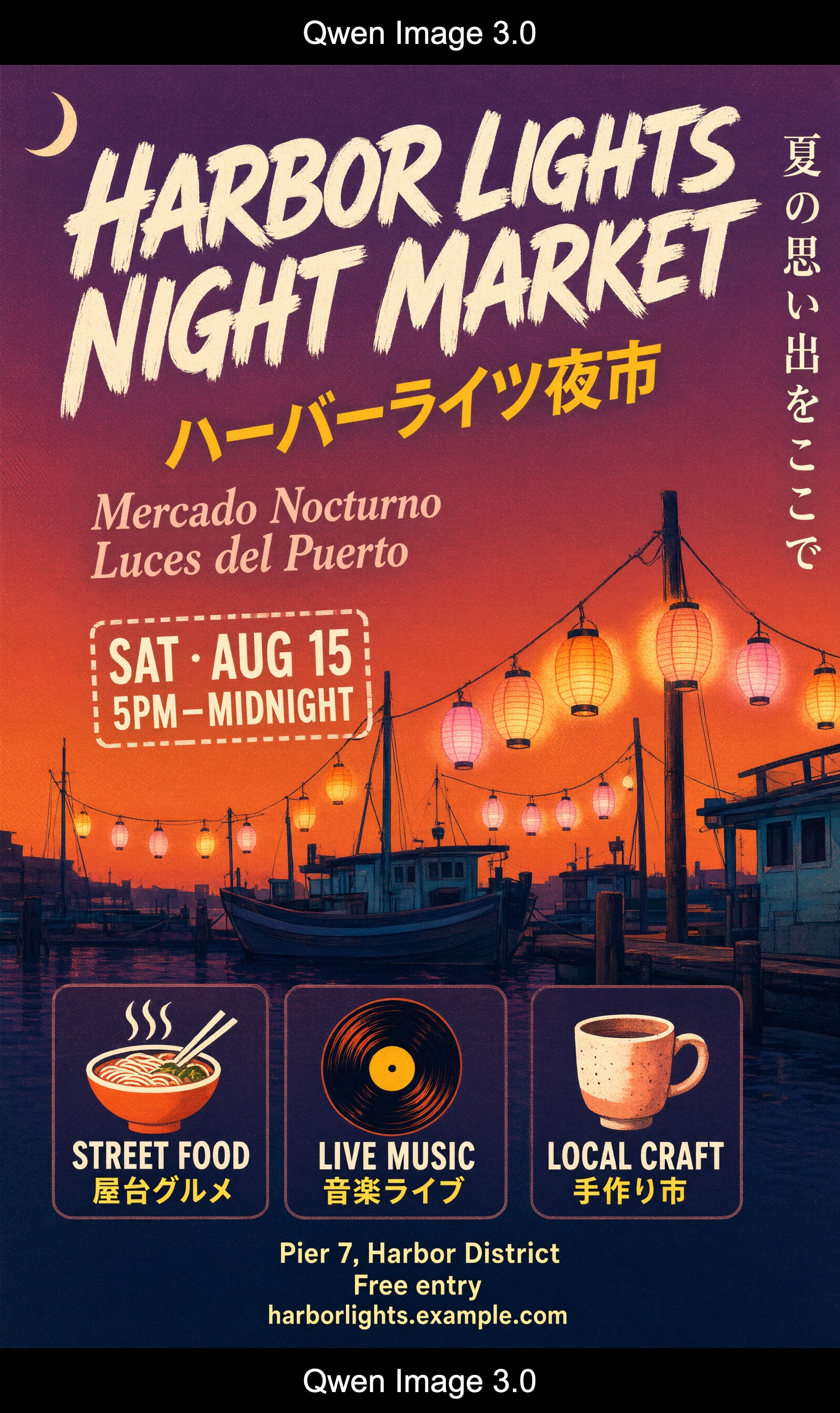 Image
A vertical A2 event poster for the "Harbor Lights Night Market", designed in a retro 1970s Japanese travel-poster style: warm sunset gradient background (deep orange to plum purple), grainy risograph texture, flat illustrated skyline of a harbor with paper lanterns strung between boats. Typography, all rendered accurately: — Main title in large hand-brushed English display type: "HARBOR LIGHTS NIGHT MARKET" — Directly beneath, the same title in Japanese: 「ハーバーライツ夜市」 — And in Spanish italic serif: "Mercado Nocturno Luces del Puerto" — A date block in a stamp-style rounded rectangle: "SAT · AUG 15 · 5PM–MIDNIGHT" — Three vendor category cards arranged horizontally near the bottom, each with a small icon and bilingual label: 1) A steaming ramen bowl icon — "STREET FOOD / 屋台グルメ" 2) A vinyl record icon — "LIVE MUSIC / 音楽ライブ" 3) A hand-thrown ceramic cup icon — "LOCAL CRAFT / 手作り市" — Footer in small but fully legible type: "Pier 7, Harbor District — Free entry — harborlights.example .com" — A vertical strip of text running down the right edge, top to bottom, in Japanese tategaki (vertical writing): 「夏の思い出をここで」 The lanterns should glow with soft bloom. Include a small crescent moon top-left. All text must be spelled exactly as written, with correct kana, and the visual hierarchy must read title → date → categories → footer.
 Image
A tall single-page educational infographic titled "WHY THE SKY IS BLUE — AND SUNSETS ARE RED", in a clean flat-design science-magazine style: off-white background, navy/teal/coral palette, geometric sans-serif headings, thin-line diagrams. Section 1 (top): Header title, subtitle "Rayleigh scattering explained in one page". A horizontal visible-light spectrum bar labeled with wavelengths at 400 nm, 500 nm, 600 nm, 700 nm, violet through red. Section 2: A diagram of sunlight entering the atmosphere: the sun at left, Earth arc at right, parallel rays hitting scattered air molecules drawn as small dots; short blue arrows scattering in all directions from the molecules, long red arrows passing straight through. Two labels: "Blue light: scattered ~5.5x more" and "Red light: passes through". Section 3: A callout card with the scattering formula rendered in proper math notation: I ∝ 1/λ⁴, with the caption "Scattering intensity is inversely proportional to the fourth power of wavelength". Beside it, a mini bar chart comparing relative scattering of 450 nm vs 650 nm light, bars labeled "450 nm" and "650 nm" with the ratio "≈ 4.4 : 1". Section 4: Two side-by-side circular diagrams: "NOON — short path through atmosphere" showing a nearly vertical light path, and "SUNSET — long path" showing a shallow grazing path with the annotation "Blue is scattered away before reaching your eye". Section 5 (footer): Three small fact chips in a row: "Fact: Mars sunsets are blue", "Fact: The ocean is blue for a different reason", "Fact: Violet scatters most, but our eyes favor blue". Bottom credit line in tiny 8-pt style text: "Sources: Rayleigh (1871) · Illustration for classroom use · Fig. 1 of 1". All text spelled exactly as specified, correct superscript in λ⁴, correct nm units, clear reading order top to bottom.
 Image
A single image containing a 3x3 storyboard grid on white paper with thin black gutters, panels numbered 1–9 in small circles at each panel's top-left corner. Consistent protagonist across ALL nine panels: a woman in her 60s with short silver hair, round red glasses, a mustard-yellow raincoat, and a small brown dachshund on a blue leash. Consistent muted watercolor style throughout. Panel 1: Wide shot — she locks the door of a narrow green townhouse in the rain. Caption box below panel: "7:02 AM — The last delivery." Panel 2: Close-up of her gloved hand holding a parcel wrapped in brown paper, tied with red string, addressed label reading "Unit 4B, Alder Lane". Panel 3: She and the dachshund wait at a crosswalk; a bus splashes past. Caption: "The city never waits." Panel 4: Low angle — she looks up at a crooked apartment building, its buzzer panel visible. Panel 5: Extreme close-up of the buzzer panel; her finger presses the button labeled "4B", other buttons read 1A, 2A, 3B, 4A. Panel 6: The door cracks open; only a sliver of a young man's face and one wide eye visible. Caption: "You're late," he whispered. Panel 7: Insert shot — the parcel changes hands in the doorway; rain drips off the awning above. Panel 8: She walks away down the wet street, seen from behind, the dachshund looking back over its shoulder at the door. Panel 9: Final wide shot — the door, now closed, with the red string from the parcel caught in the doorframe. Caption: "But she never delivered anything at all." Lighting is consistent overcast morning rain in every panel. The raincoat, glasses, dog, and leash must be identical in every panel where they appear.
 Image
A vertical premium city travel poster titled "Beijing Winter City Atlas", rendered in a refined 3D miniature city diorama isometric bird’s-eye style. On the right, a floating snowy 3D city model includes the Forbidden City, Temple of Heaven, Summer Palace, frozen rivers, bridges, pine trees, and warm streetlamps, with a backpacker walking along snowy footprints in the foreground. Wide left margin reserved for title, English subtitle, coordinates, legend, and line icons; soft winter sunlight and paper-cut map edges.
Small labels in dense posters should be proofread before publishing.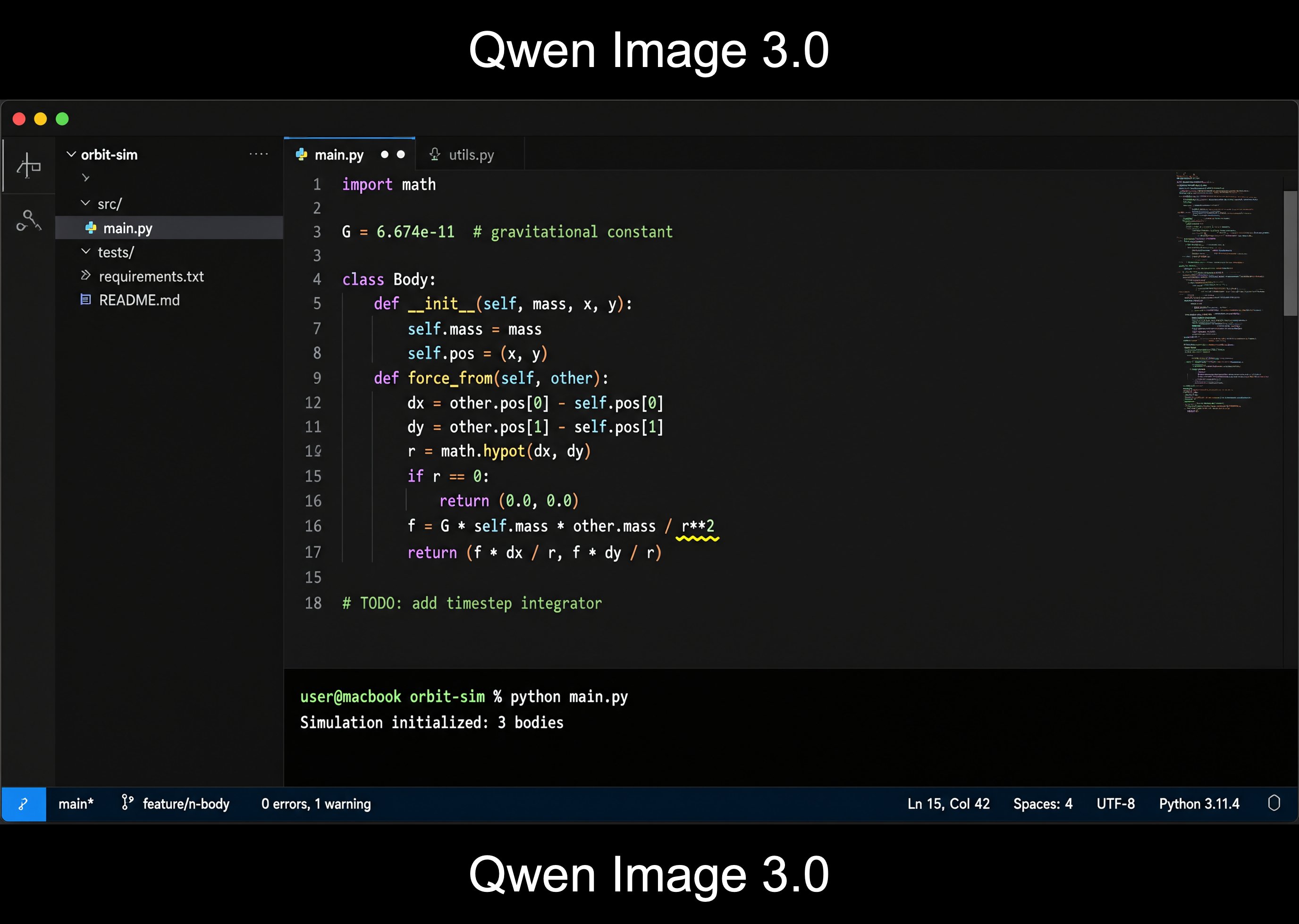 Image
Realistic dark code-editor workspace displaying Python orbital simulation code, file explorer tree, and integrated terminal output. Original prompt not publicly disclosed.
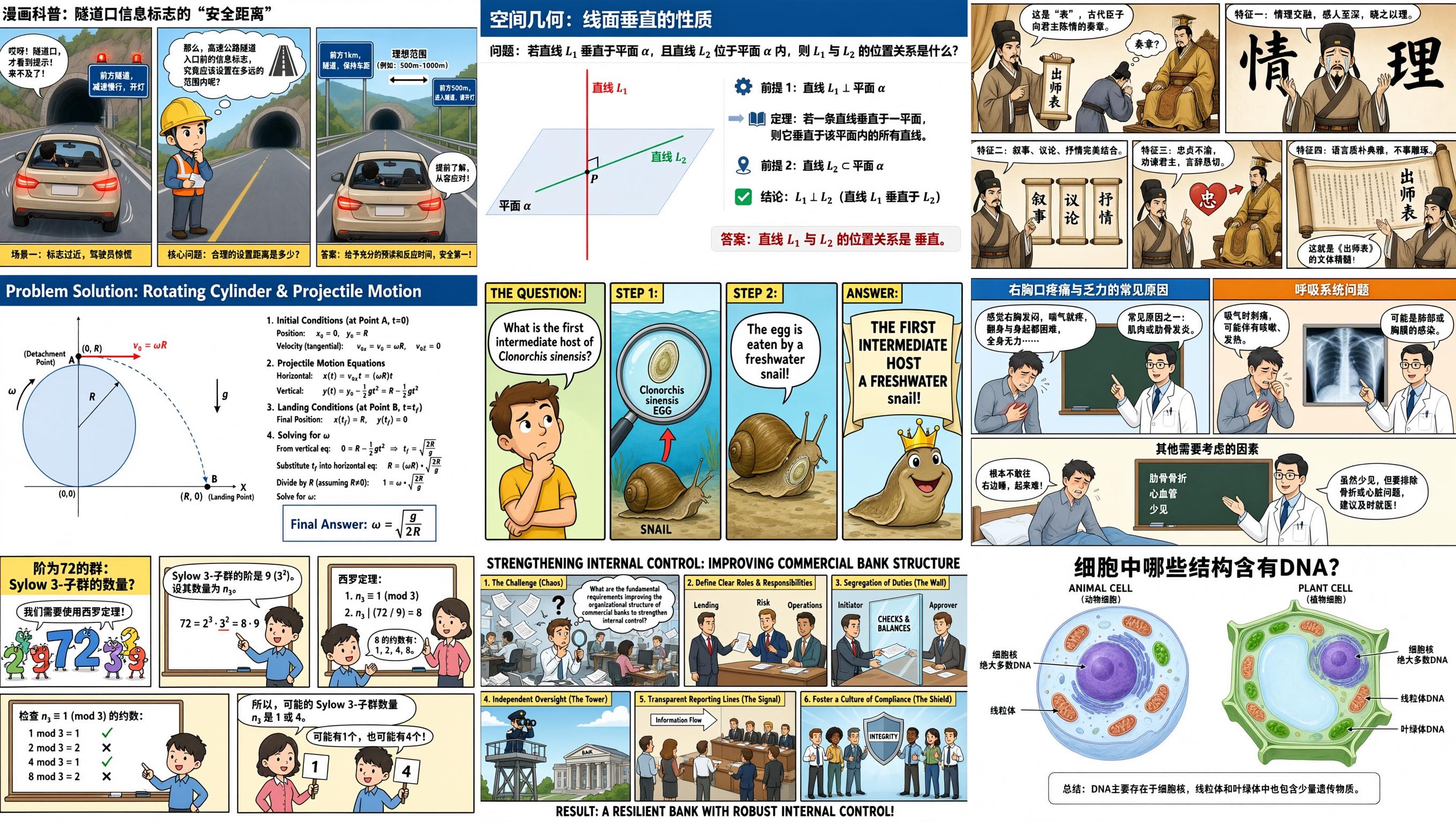 Image
High-density multi-panel educational illustration combining physics diagrams, biology callouts, and Chinese-English captions. Original prompt not publicly disclosed.
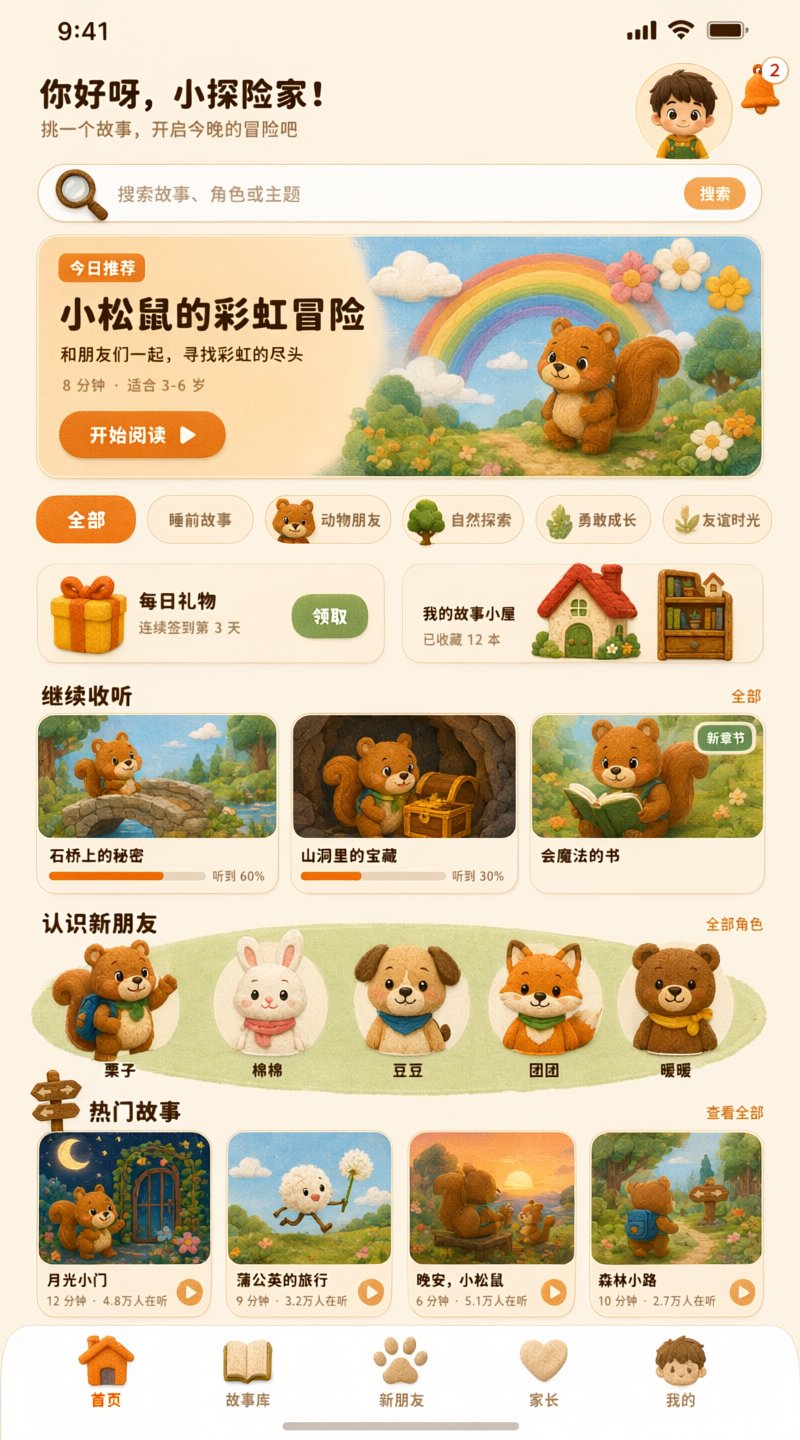 Reference edit
 that turns a plush-animal UI sprite sheet into a children's picture-book app concept screen; a static design, and the smallest text may blur. Original prompt not publicly disclosed.
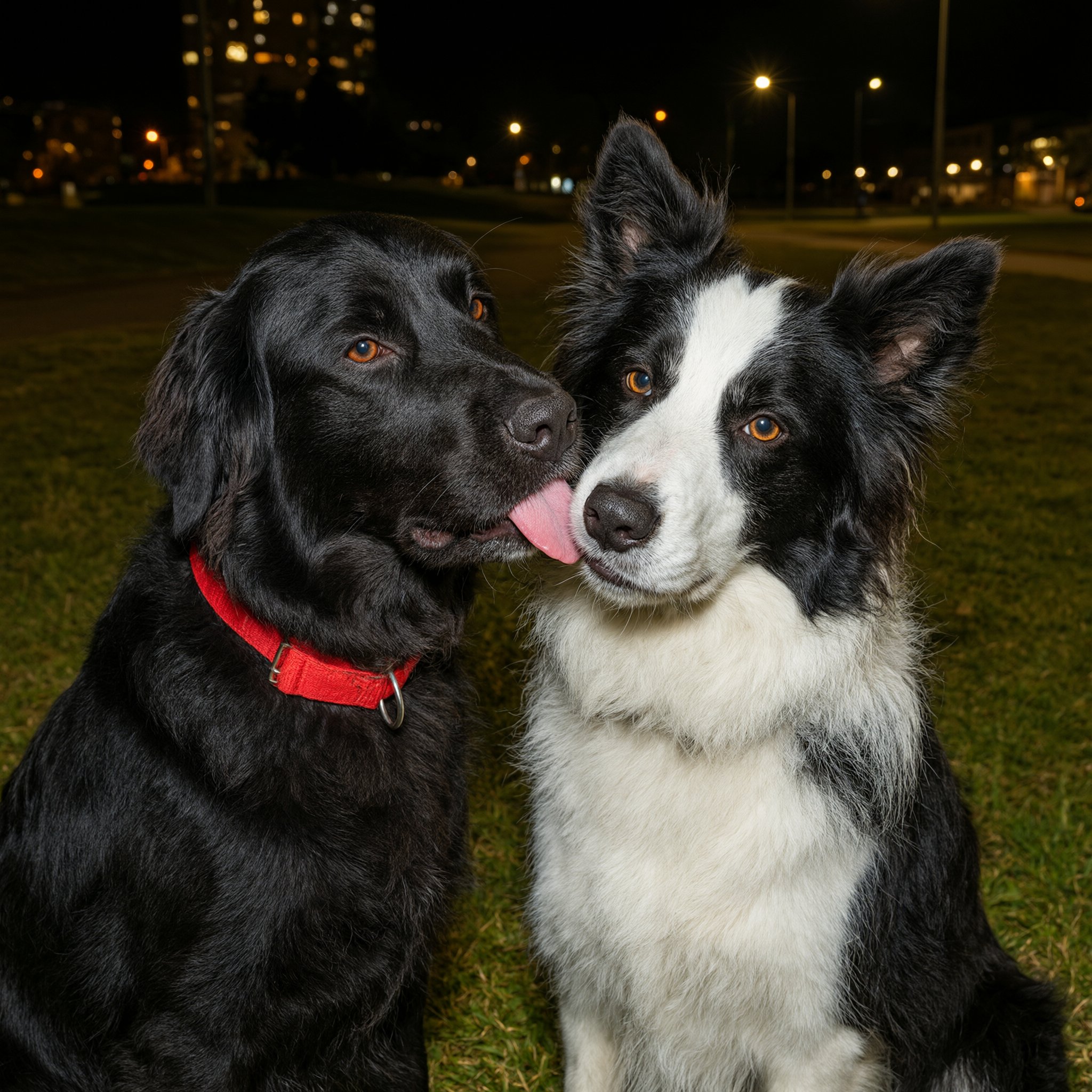 Image
Candid nighttime flash photograph of a black dog and a black-and-white border collie on grass, showing fine fur detail and natural city bokeh. Original prompt not publicly disclosed.
Output prices compare one 1:1 image at the same resolution with zero reference images. Prices are in USD.
| Resolution | APIstable standard | WaveSpeed | fal |
|---|---|---|---|
| 1K | With bonus ≈ $0.023 / imageRegular $0.025 / image5 credits / image | $0.030 / image32% more than APIstable | - |
| 2K | With bonus ≈ $0.023 / imageRegular $0.025 / image5 credits / image | $0.030 / image32% more than APIstable | - |
The request follows the form. The website uses your session; API clients use your API key. See the docs for parameters, task creation and task queries.
Write a prompt and optionally add references.
Choose resolution or exact pixels, aspect ratio, image count n (1–6), and optional references. Review the output price and reference surcharge before submitting.
Query the returned task ID or receive a signed callback. Save result images within 14 days.
| Parameter | Description |
|---|---|
model | qwen-image-3.0 |
input | Image generation and reference-editing parameters. |
input.prompt | Required generation or edit instructions (upstream limit approx. 4,500 Tokens; 64,000-byte total request limit). |
input.image_urls | Optional, up to 3 reference images (URLs or PNG Data URLs). Adds 0.5 Credits per reference once per request, not multiplied by n. |
input.resolution | Resolution preset: 1K (5 Credits/image) or 2K (5 Credits/image); default 1K. |
input.aspect_ratio | Output aspect ratio: 1:1, 4:3, 3:4, 16:9, 9:16, 3:2, or 2:3; default 1:1. Ignored when size is set. |
input.size | Optional. Accepts ratio aliases or exact widthxheight pixels (512–2048 per edge); exact pixels override resolution and aspect_ratio, with area > 2,250,000 billed at 2K. |
input.n | Images per request (integer 1–6, default 1) in a single execution item, billed per delivered image. |
input.negative_prompt | Optional content to avoid in the image. |
input.prompt_extend | Optional boolean to enable prompt rewriting; default false. |
input.prompt_extend_mode | Optional: direct or agent. Requires prompt_extend=true; agent is only allowed without reference images. |
input.nsfw_check | Optional boolean for pre-submission safety screening; default false (always on in Playground). |
{
  "model": "qwen-image-3.0",
  "input": {
    "prompt": "A vertical A2 event poster for the \"Harbor Lights Night Market\", designed in a retro 1970s Japanese travel-poster style: warm sunset gradient background (deep orange to plum purple), grainy risograph texture, flat illustrated skyline of a harbor with paper lanterns strung between boats.\n\nTypography, all rendered accurately:\n— Main title in large hand-brushed English display type: \"HARBOR LIGHTS NIGHT MARKET\"\n— Directly beneath, the same title in Japanese: 「ハーバーライツ夜市」\n— And in Spanish italic serif: \"Mercado Nocturno Luces del Puerto\"\n— A date block in a stamp-style rounded rectangle: \"SAT · AUG 15 · 5PM–MIDNIGHT\"\n— Three vendor category cards arranged horizontally near the bottom, each with a small icon and bilingual label:\n   1) A steaming ramen bowl icon — \"STREET FOOD / 屋台グルメ\"\n   2) A vinyl record icon — \"LIVE MUSIC / 音楽ライブ\"\n   3) A hand-thrown ceramic cup icon — \"LOCAL CRAFT / 手作り市\"\n— Footer in small but fully legible type: \"Pier 7, Harbor District — Free entry — harborlights.example .com\"\n— A vertical strip of text running down the right edge, top to bottom, in Japanese tategaki (vertical writing): 「夏の思い出をここで」\n\nThe lanterns should glow with soft bloom. Include a small crescent moon top-left. All text must be spelled exactly as written, with correct kana, and the visual hierarchy must read title → date → categories → footer.",
    "aspect_ratio": "9:16",
    "resolution": "1K",
    "n": 1,
    "image_urls": [],
    "prompt_extend": false,
    "nsfw_check": true
  }
}
The request follows the form. The website uses your session; API clients use your API key. See the docs for parameters, task creation and task queries.
Choose between the Qwen Image 3.0 and 2.0 families by prompt length, exact pixel control, prompt rewriting, and per-image budget. All four models support text-to-image and up to 3 reference images through APIstable.
| Model | Strengths and best uses | Output size & references |
|---|---|---|
| Qwen Image 3.0You’re here | Balanced 3.0 standard tier with long prompts (~4,500 Tokens), exact pixel sizes (512–2048 px), optional direct/agent prompt rewriting, and flat 1K/2K output pricing (5 credits/image). Ideal for posters, infographics, storyboards, and fast multi-output exploration. | 1K / 2K or 512–2048 px · +0.5 credits/ref once |
| Qwen Image 3.0 Pro | Pro 3.0 tier focused on dense editorial layouts, richer textures, and structured multi-element compositions. Distinct 1K (7 credits) and 2K (14 credits, >2.25M px) tiers with exact pixel sizing and optional direct/agent rewriting. | 1K / 2K or 512–2048 px · +0.5 credits/ref once |
| Qwen Image 2.0 | Cost-efficient 2.0 standard tier (5 credits/image at 1K and 2K) with concise prompts (up to 800 characters), negative prompts (up to 500 characters), and URL-based reference editing with no extra reference surcharge. | 1K / 2K (7 ratios) · No reference surcharge |
| Qwen Image 2.0 Pro | Higher-detail 2.0 Pro tier (13 credits/image at 1K and 2K) for complex spatial instructions, realistic food/product textures, and multilingual typography layouts, with URL-based reference editing and no reference surcharge. | 1K / 2K (7 ratios) · No reference surcharge |
Find answers about pricing, generation results, and API access.
No. Both use POST /api/v1/tasks/create_task with model set to qwen-image-3.0. Omit image_urls (or pass []) for text-to-image, and include 1–3 image_urls for reference editing.
Prompts support roughly 4,500 tokens. APIstable does not impose a separate character cap on Qwen Image 3.0, though the entire JSON request body must stay within 64,000 bytes.
Omitting size, aspect_ratio, and resolution defaults to 1K and 1:1 (1024×1024). Qwen Image 3.0 does not support an auto aspect ratio.
Yes. Pass size as widthxheight with each edge between 512 and 2048 pixels (for example 1600x1200). Exact pixel sizes override both aspect_ratio and resolution.
No. On Qwen Image 3.0, both 1K and 2K outputs cost the same 5 credits ($0.025) per delivered image.
Up to 3 reference images via public HTTP(S) URLs or PNG Base64 Data URLs (data:image/png;base64,...). Supported formats include JPG, JPEG, PNG, BMP, TIFF, WEBP, and GIF up to 10 MB each; prefer uploading large images first and passing URLs to stay under the 64,000-byte request limit.
Yes. On the Qwen Image 3.0 series, each reference image adds 0.5 credits ($0.0025) once per successful request. This fee is not multiplied by n and does not change with output resolution.
Set input.n from 1 to 6. All requested outputs run as one execution item, and you are billed only for the images actually delivered.
No. Those parameters are not part of the Qwen Image 3.0 API contract on APIstable. Sending unsupported fields returns a validation error rather than silently ignoring them.
prompt_extend defaults to false. When set to true, you may optionally set prompt_extend_mode to direct (works for generation and editing) or agent (text-to-image only; rejected if image_urls is non-empty).
No. While Qwen Image 3.0 handles posters, text, and edits well, lettering, factual labels, object counts, and fine subject details can still drift and should be reviewed before publishing.
Fully failed tasks cost 0 and release their credits. Partial success bills only the delivered images plus the one-time reference surcharge (if references were used). Tasks still unfinished more than 24 hours after submission are marked failed in the daily 00:00 Beijing Time (UTC+8) cleanup and their credits are released, with late results never re-billed.
This endpoint provides hosted remote API access—not downloadable open weights. Pass a public HTTPS callback_url to receive APIstable signed completion webhooks, or poll GET /api/v1/tasks/{task_id} using the returned task_id.
Write a prompt or add references to generate an image.