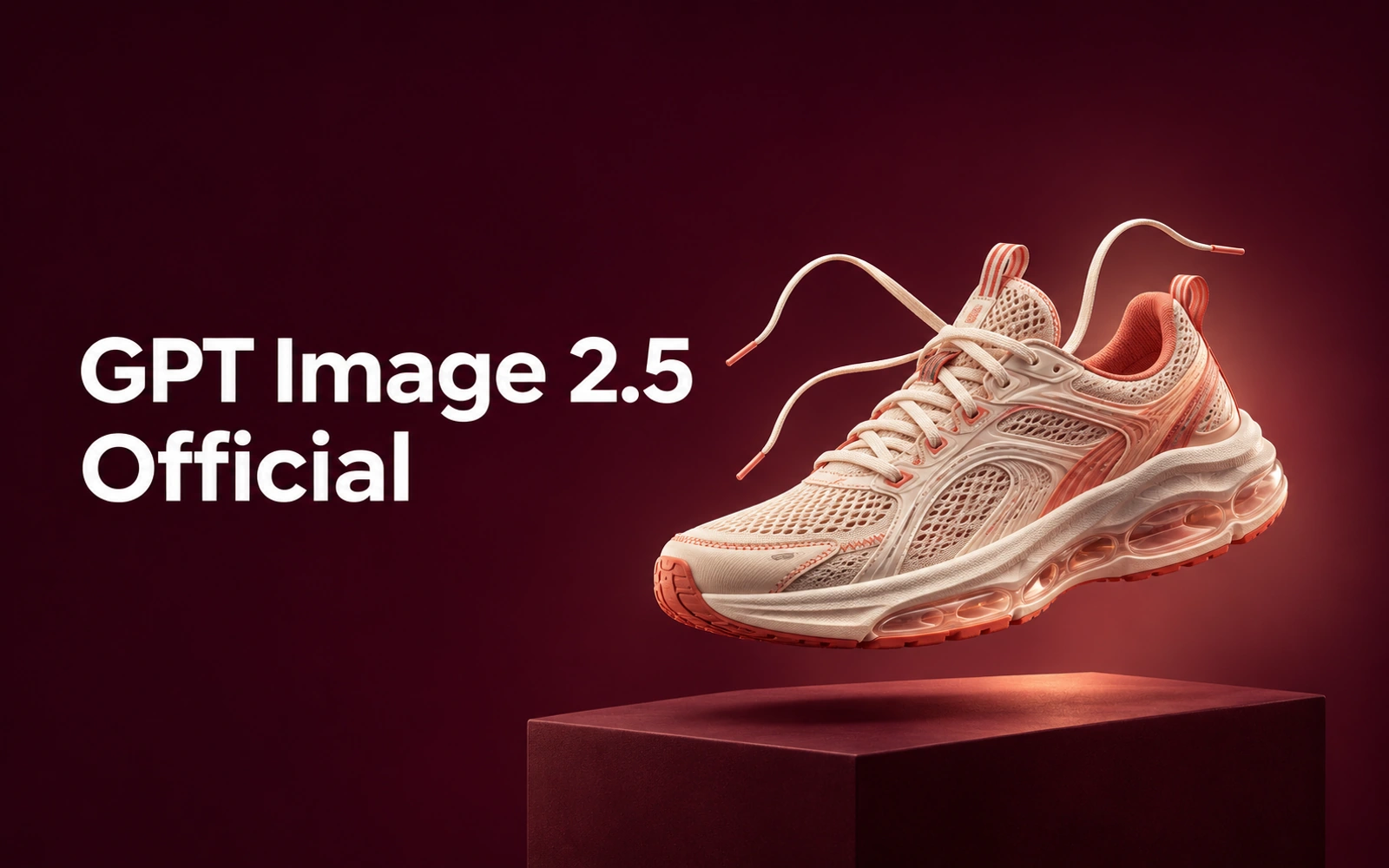
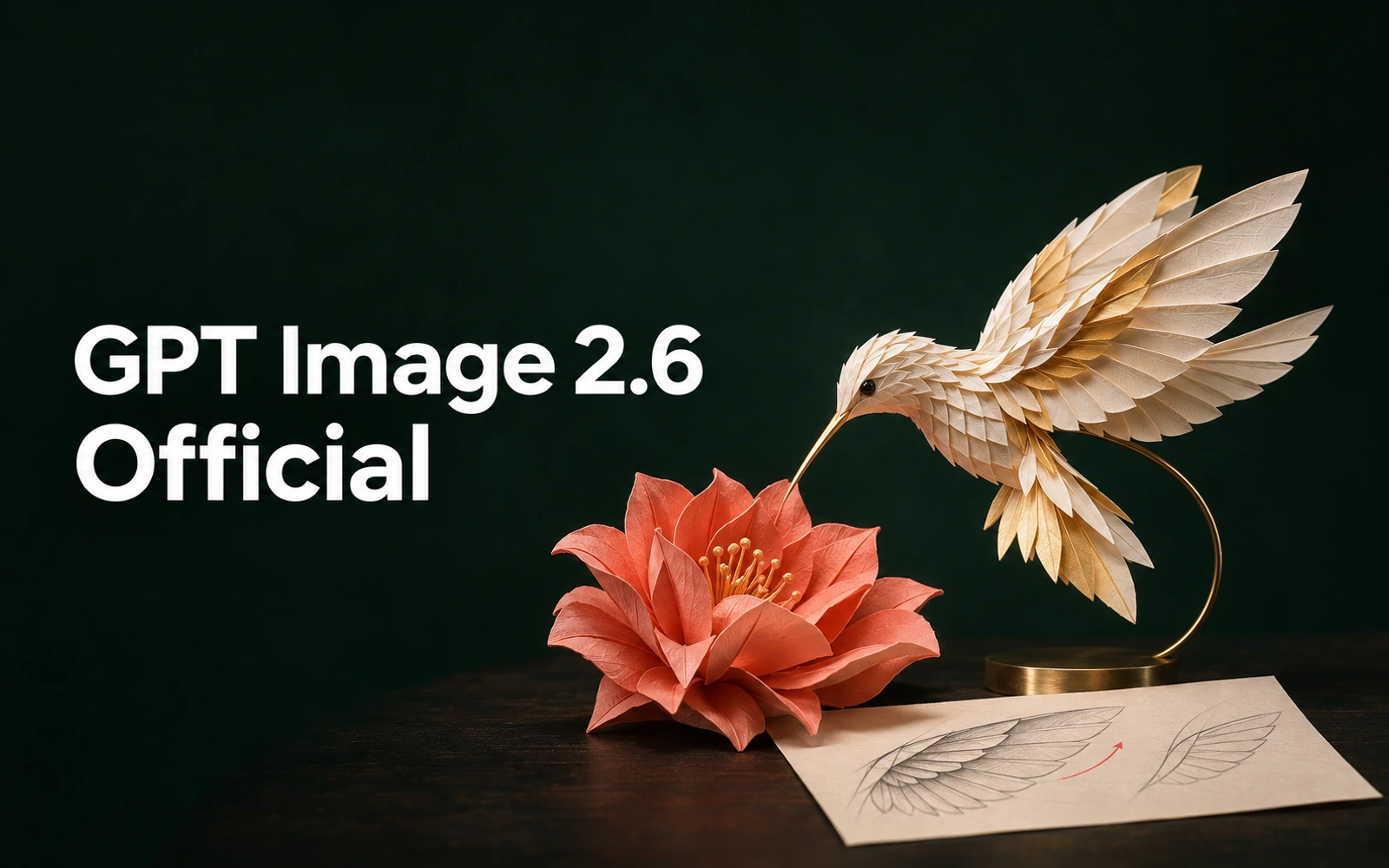
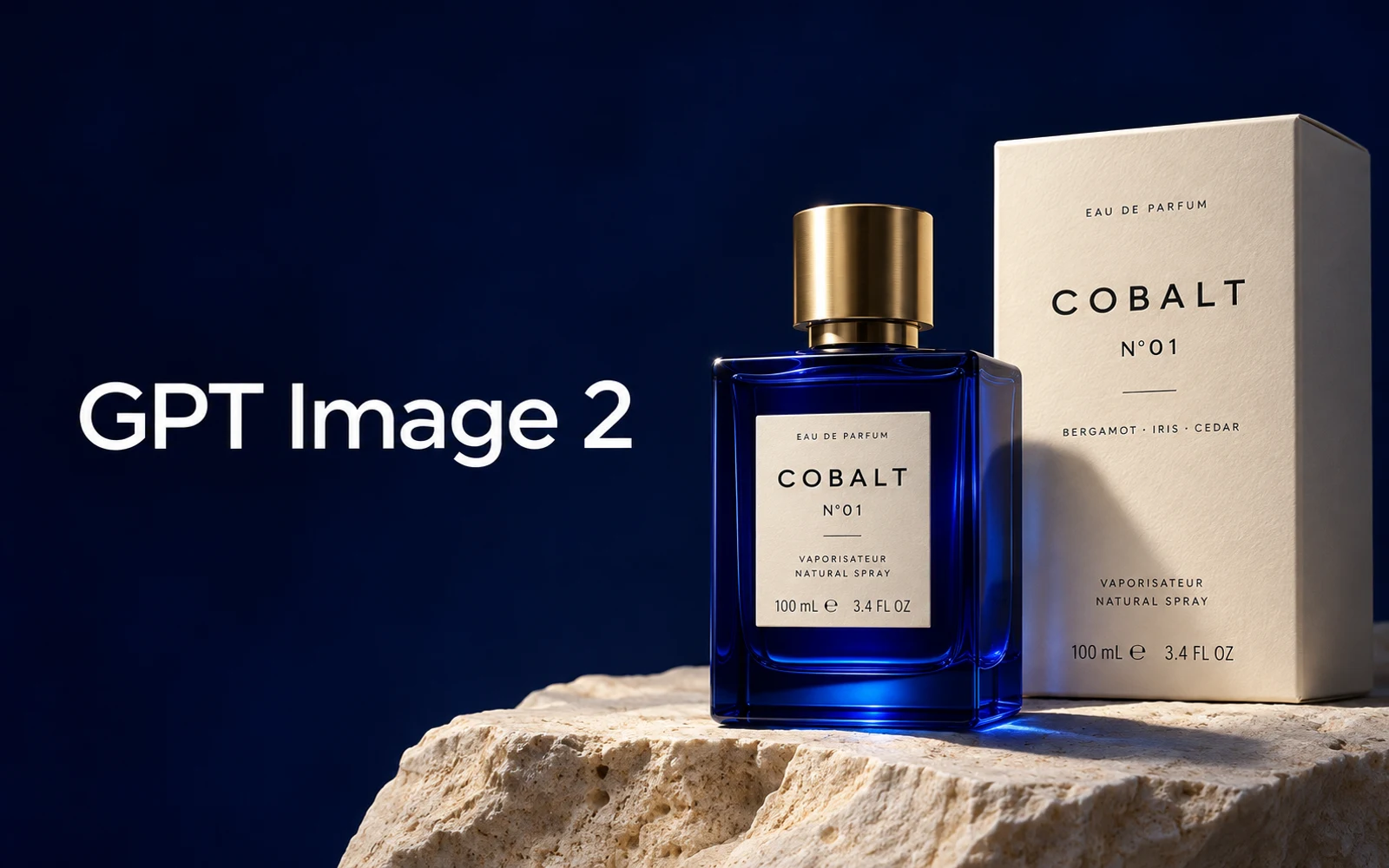
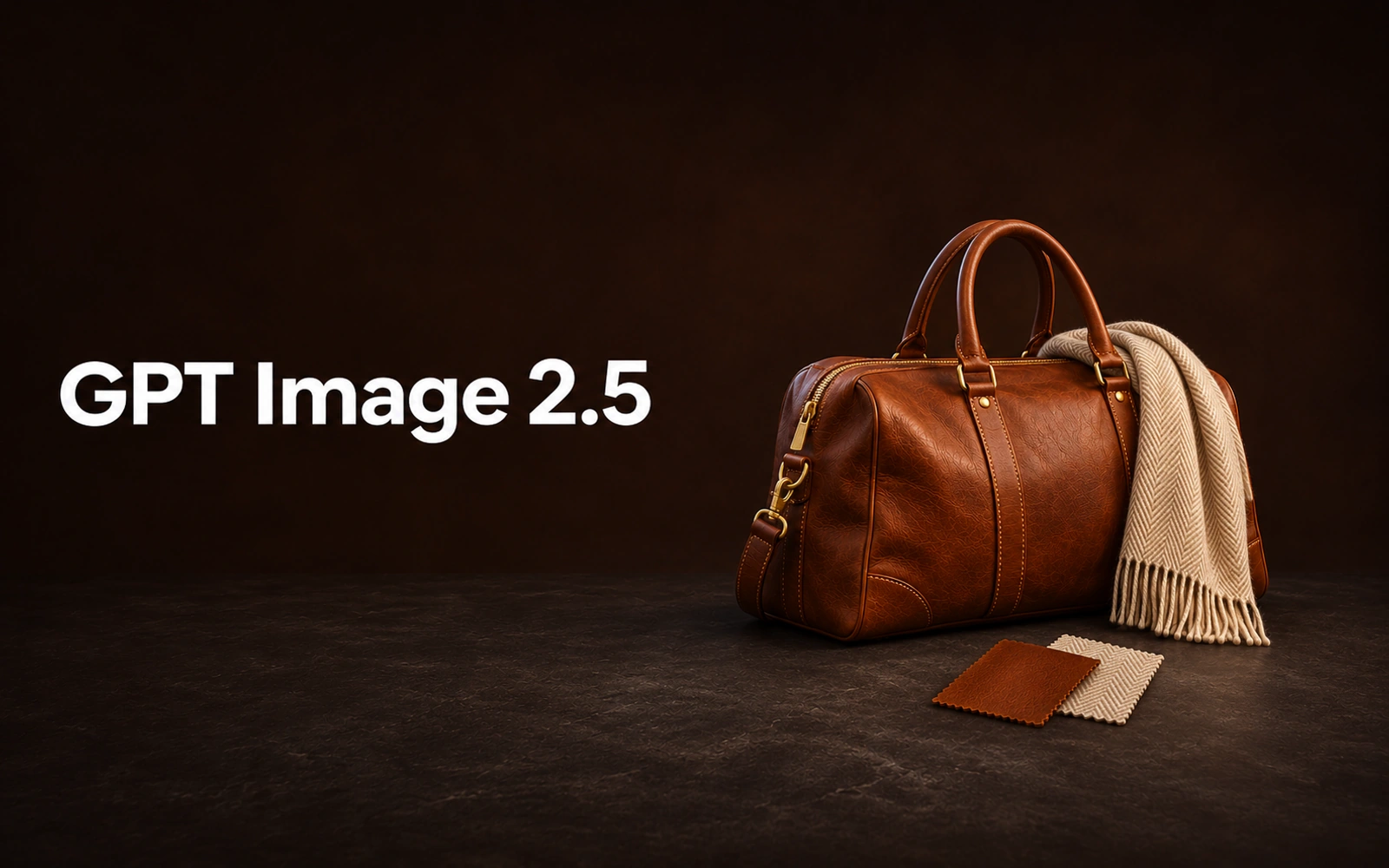
Legible in-image typography
Renders headlines, labels, signage, and short UI copy across Latin and CJK scripts within scene lighting. Check exact spelling and fine text before publishing.
GPT Image 2 Official
Actual Token billing per request. Choose n=1–4 outputs in one request; the total cost is rounded once, unused credits are released, and the charge never exceeds the reservation.
Renders headlines, labels, signage, and short UI copy across Latin and CJK scripts within scene lighting. Check exact spelling and fine text before publishing.
Supports auto (1:1 square) plus 15 explicit ratios, including extended 3:1, 2:1, 21:9, 1:3, 1:2, and 9:21 frames for banners and vertical layouts.
Up to 16 references as public HTTP(S) image URLs. References increase input Tokens and the hold. File access, format and dimensions are checked upstream.
Select 1K, 2K, or 4K before quoting to generate print-ready or web-ready files directly—up to 3840 px on the long edge depending on ratio—without a separate upscaler.
Generates believable storefronts, packaged goods, food textures, architectural materials, and software interfaces from detailed prompts with natural lighting.
Follows structured prompts describing foreground subjects, background depth, typography placement, and framing in one pass, reducing layout rework.
n=1–4 stays in one upstream request and one execution item. Return every image produced and charge the task’s reported actual Token cost once, rounded up to 0.1 credits. Unused reserved credits are released; failed tasks with no images cost 0.
One request returns up to n outputs and settles its total actual Token cost once, rounded up to 0.1 credits. The hold scales with n. Partial success is charged at the reported actual cost; failed tasks with no images cost 0. Unused credits are released and there is no additional charge or fallback parameter.
Marketing teams put exact titles, dates, and booth info into a 3:4 or 4:5 prompt at 2K to draft exhibition, cafe, or concert posters with integrated typography.
Online sellers upload clean packshots in image_urls to place cosmetics, bottles, or electronics onto marble, wood, or retail shelves while keeping labels recognizable.
Growth designers use GPT Image 2’s extended 3:1, 2:1, or 21:9 ratios at 4K to build homepage hero strips and marketplace headers without heavy cropping.
Editorial and mobile teams use 1:3, 9:21, or 9:16 framing to produce long-scroll campaign strips, mobile splash screens, and vertical story layouts in one generation.
Product designers describe navigation bars, cards, buttons, and sample copy to generate quick screen concepts for stakeholder alignment before moving into Figma.
Restaurant brands and food editors specify plating, ceramic tableware, side daylight, and short menu labels at 2K or 4K to test visual directions before a studio shoot.
Educators and technical writers turn structured notes into botanical plates, cross-section drawings, or step-by-step infographics, then verify every label before release.
Cross-border teams reuse product references with localized English, Chinese, or Japanese headlines to generate regional campaign visuals without rebuilding the scene.
Shared reference examples from the corresponding GPT Image page; these are not official-channel verification samples.
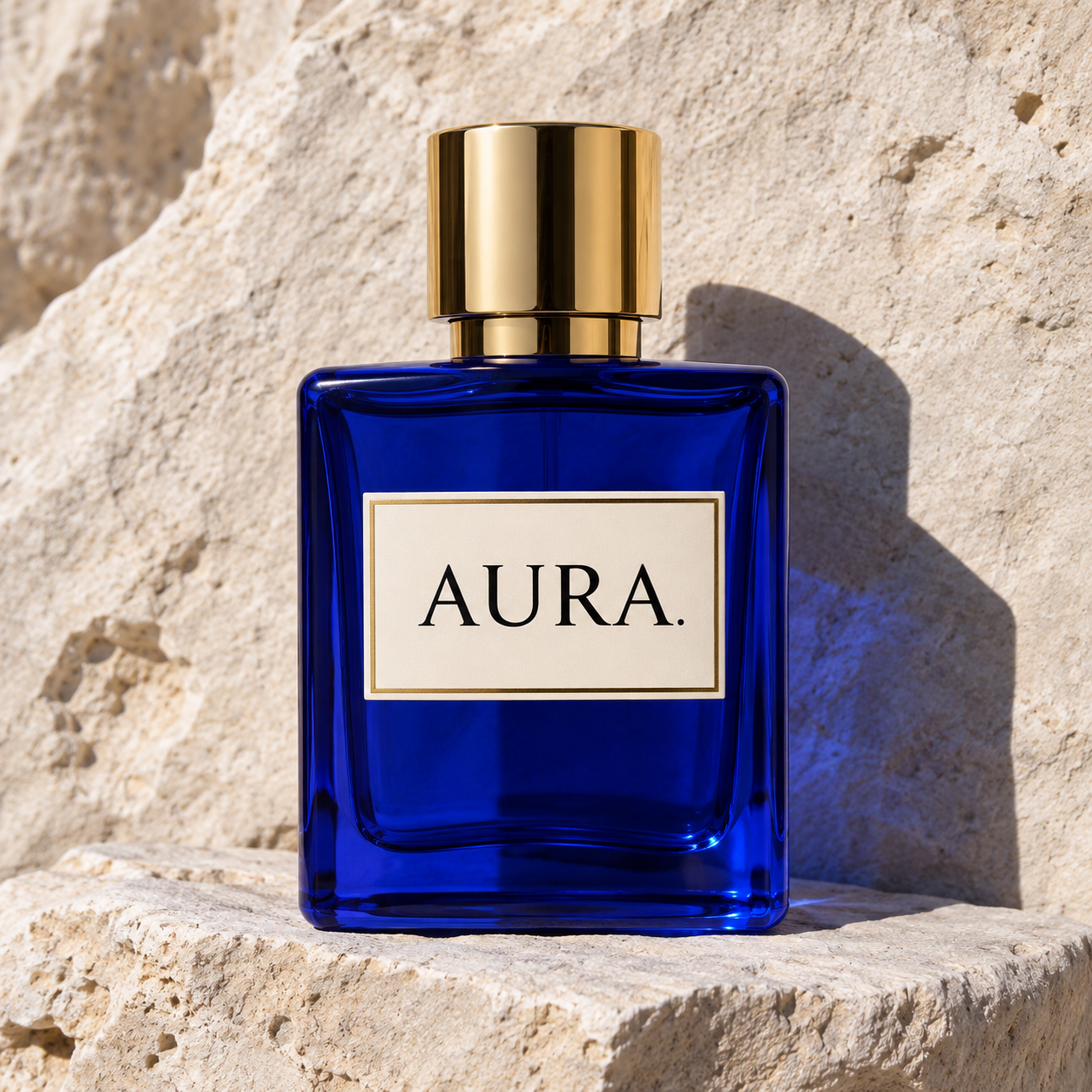 Image1:1
A premium product photograph of a cobalt blue perfume bottle on limestone. Label reads AURA. Soft daylight and a crisp natural shadow.
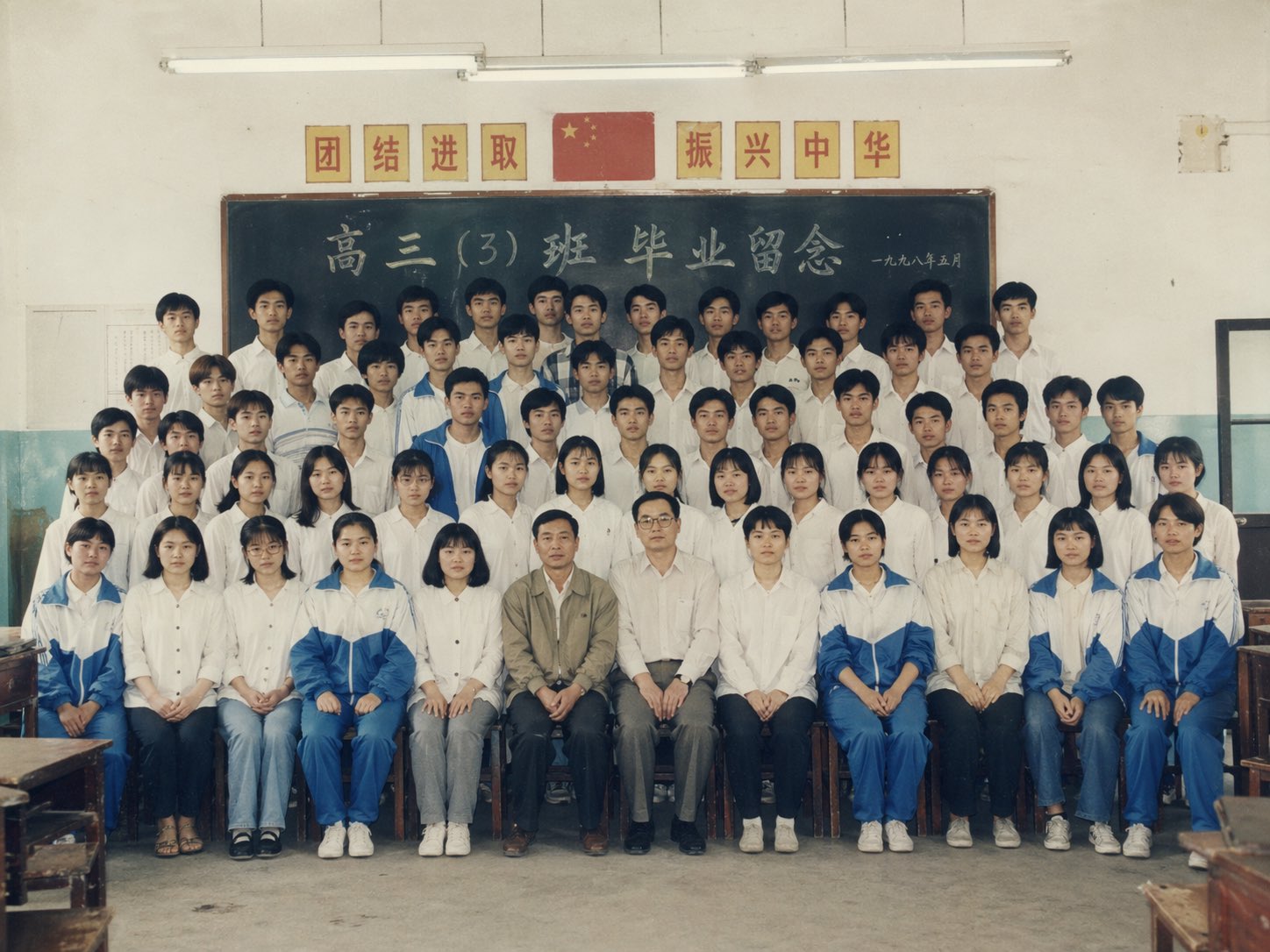 Image
90年代中国高中在教室拍的毕业合照
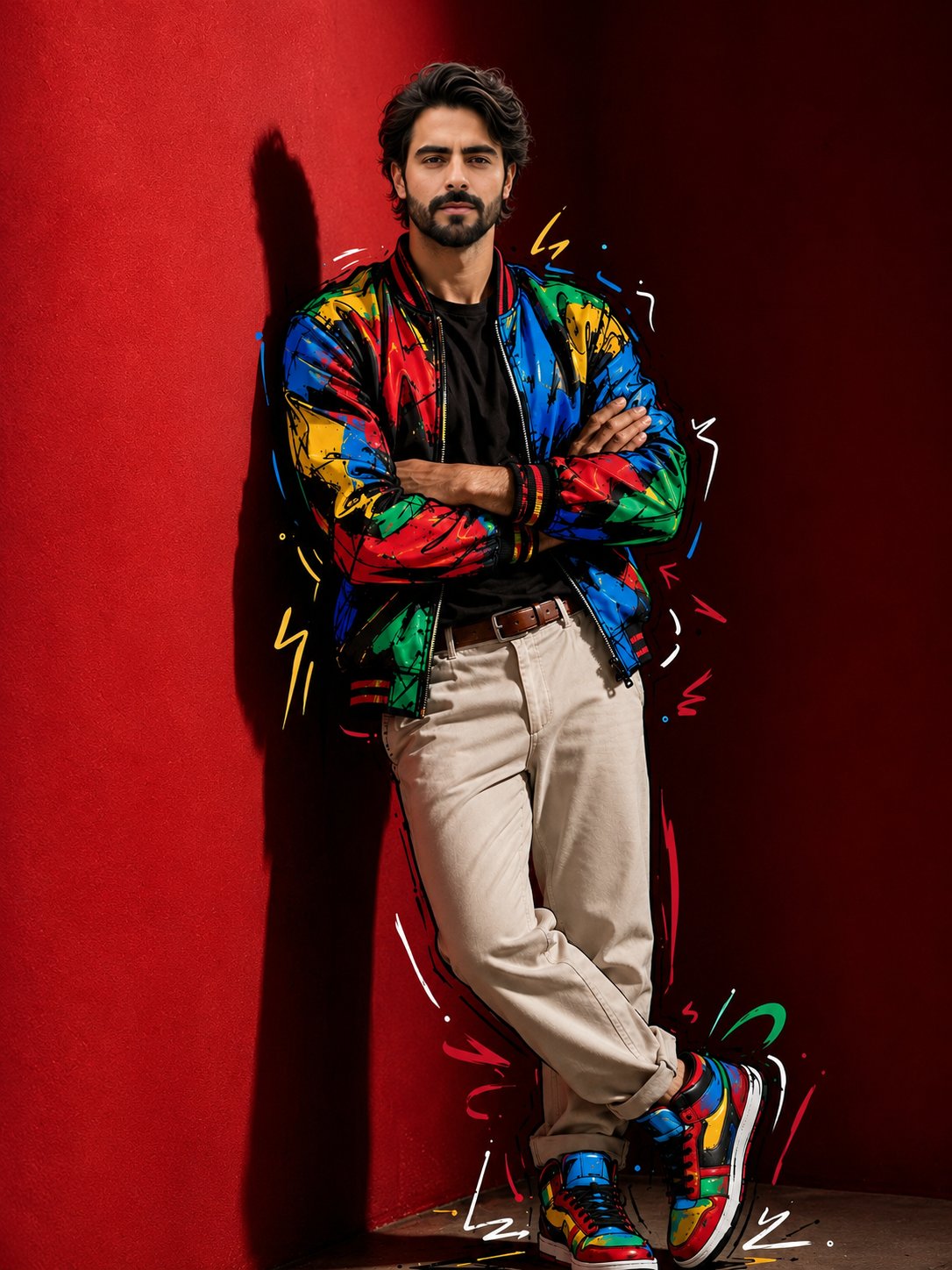 Image
Use the reference photo as the base. Keep the subject’s pose, camera angle, framing and surroundings. Redraw the jacket and sneakers as bold streetwear illustrations with painterly blocks of red, blue, green and yellow, black outlines and a few energetic strokes around the figure.
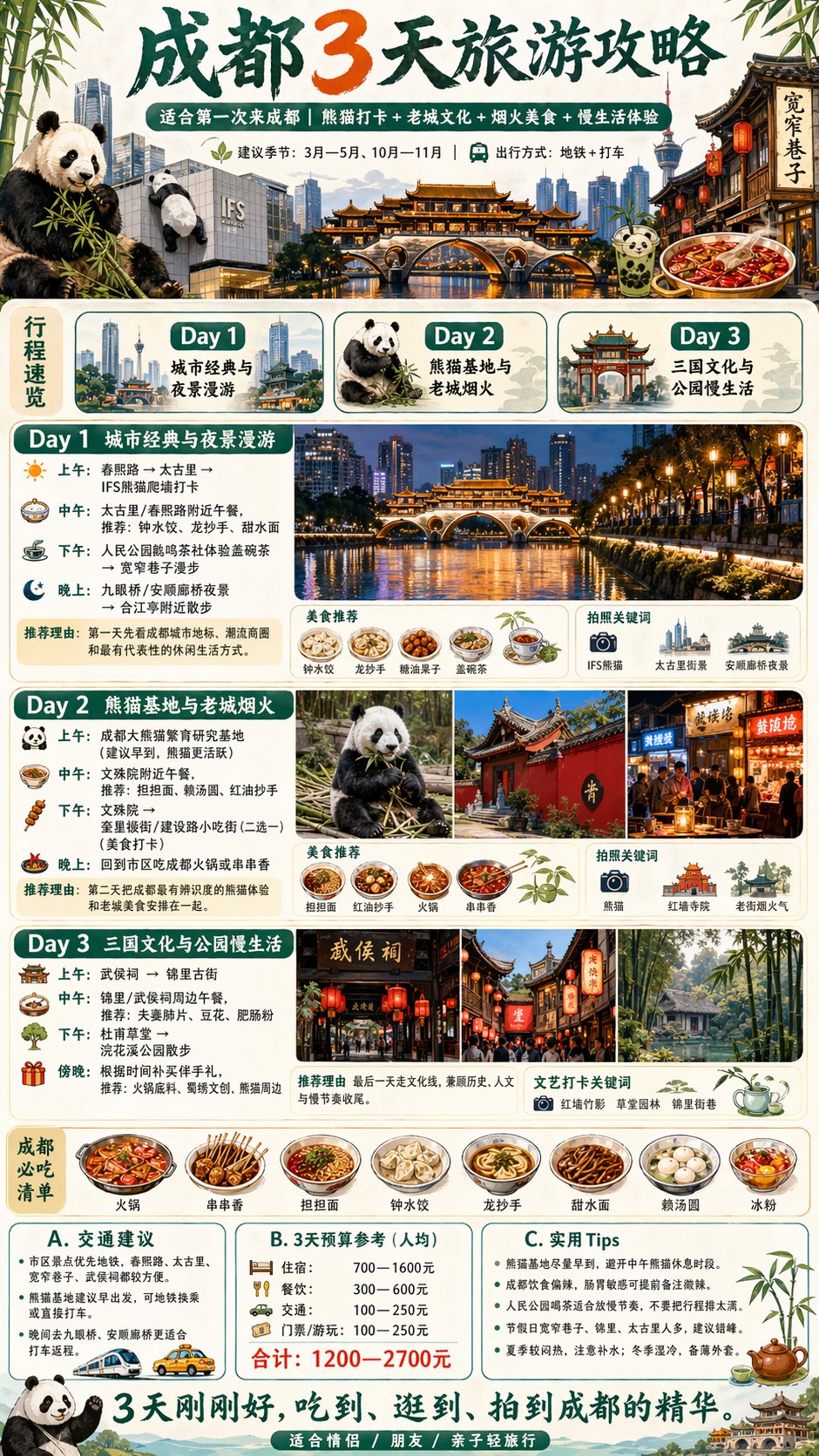 Image
生成成都三天旅游攻略
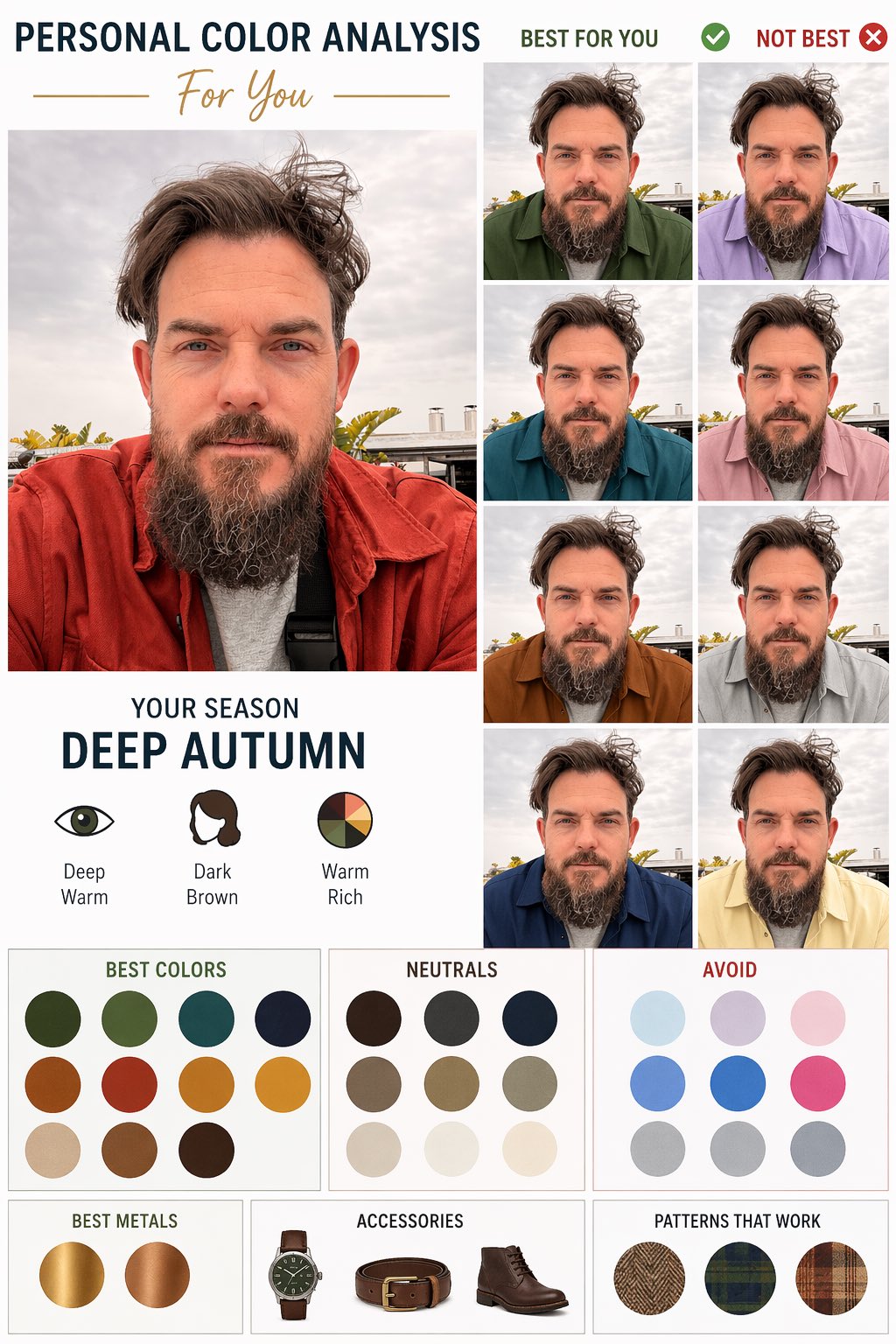 Image
Create a diagram-first color analysis from this portrait. Compare warm and cool clothing palettes around the same face, using clearly labeled swatches and paired outfit colors. Keep the subject’s likeness, expression and lighting consistent, and use very little text.
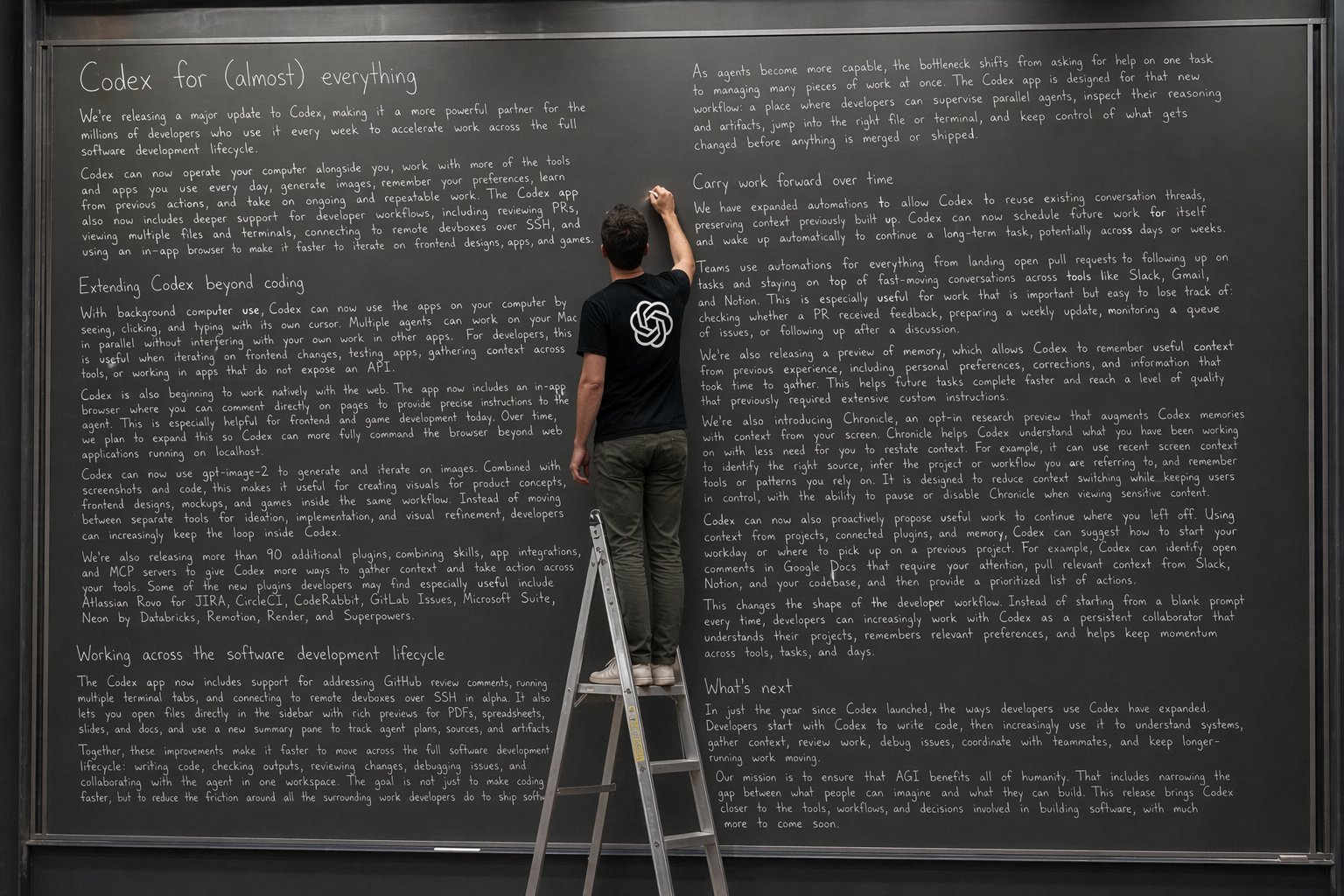 Image
An editorial photograph of a lone writer standing partway up a ladder against a vast dark chalkboard. Dense, finely spaced handwritten text fills the entire wall. Frame the person small against the lettering, with diffuse natural light and a charcoal-gray palette.
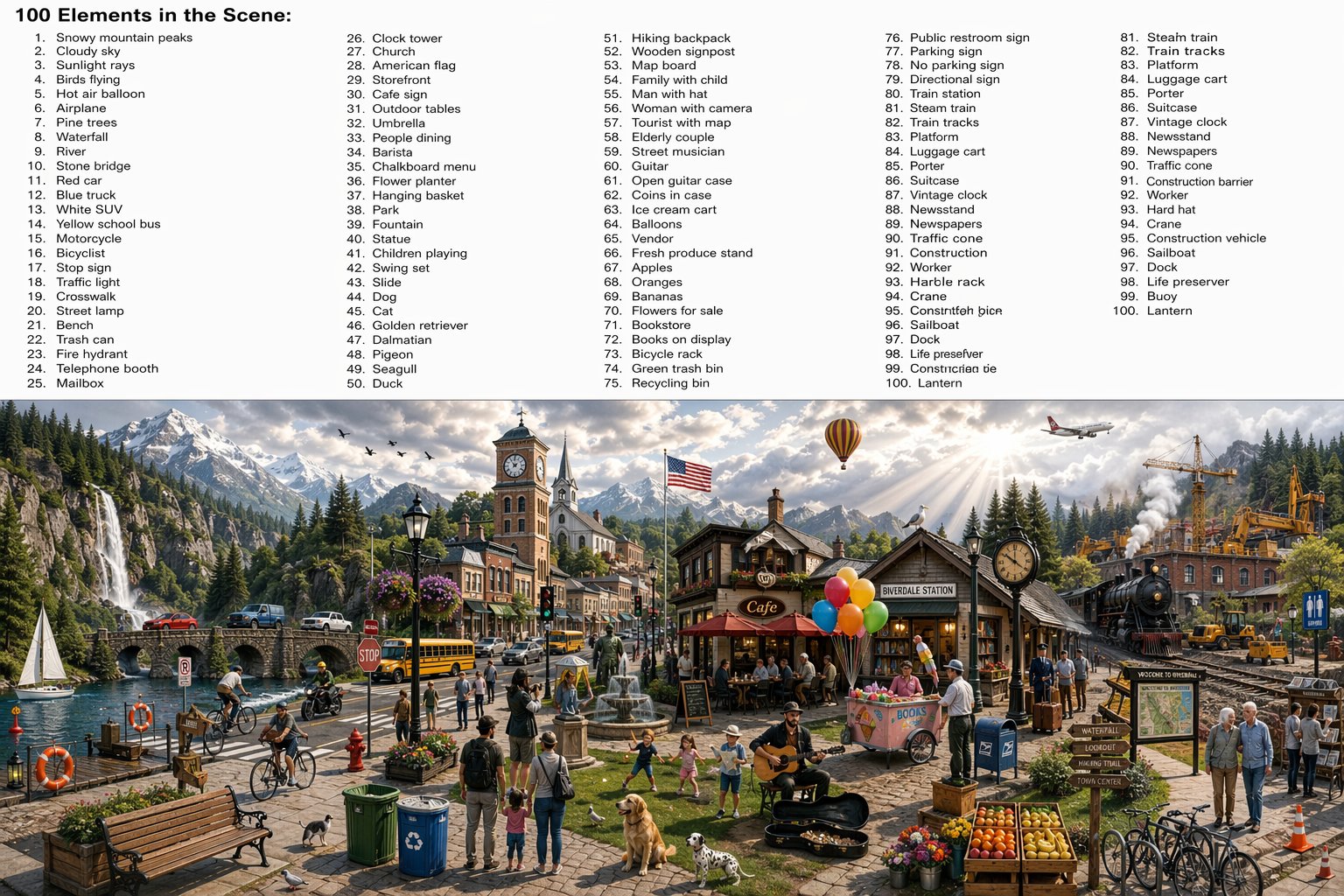 Image
Create a busy illustrated scene with exactly 100 distinct everyday objects. Include an organized numbered inventory above the scene and make each object recognizable in the illustration. Keep the inventory legible, with small groups of text aligned in columns.
 Image
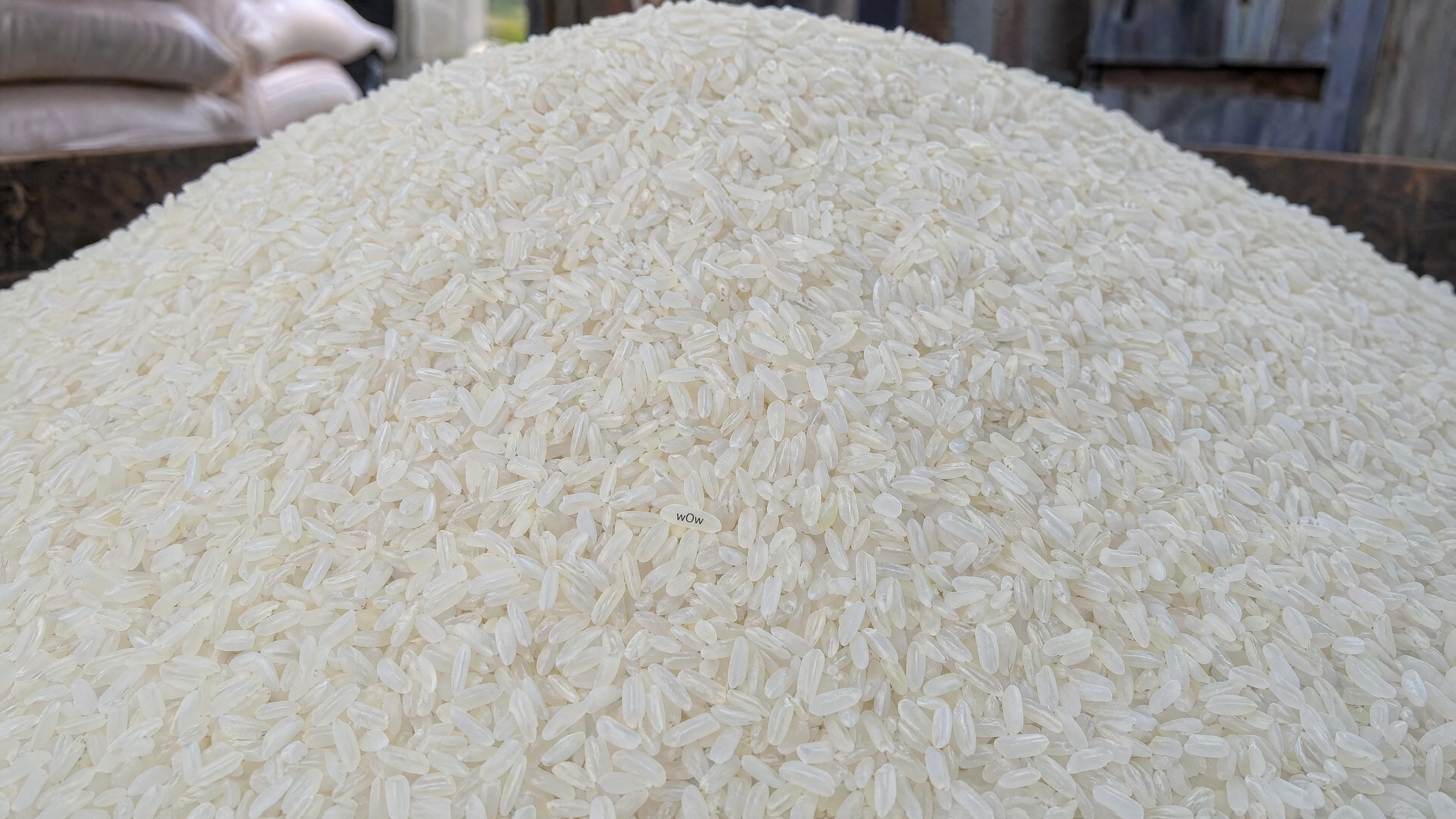
Macro photograph of a pile of white rice. One sharply focused grain in the foreground bears the tiny text “wOw”. Keep every other grain unmarked. Use shallow depth of field and soft light to show the texture of the rice.
Billed on actual Token usage. Unused reserved credits are released automatically, and the charge never exceeds your quote.
| Type | USD / 1M | Credits / 1M |
|---|---|---|
| Text input | With bonus ≈ $4.318 / 1MRegular $4.750 / 1M | 950.0 |
| Cached text input | With bonus ≈ $1.080 / 1MRegular $1.188 / 1M | 237.5 |
| Image input | With bonus ≈ $6.909 / 1MRegular $7.600 / 1M | 1,520.0 |
| Cached image input | With bonus ≈ $1.727 / 1MRegular $1.900 / 1M | 380.0 |
| Image output | With bonus ≈ $25.909 / 1MRegular $28.500 / 1M | 5,700.0 |
| Resolution | Highest quality |
|---|---|
| 1K | $0.201 · 40.1 credits |
| 2K | $0.407 · 81.4 credits |
| 4K | $0.677 · 135.3 credits |
The request follows the form. The website uses your session; API clients use your API key. See the docs for parameters, task creation and task queries.
Write a prompt and optionally add references.
Choose aspect ratio or exact pixels, quality and n, then review the maximum before submitting.
Query the returned task ID or receive a signed callback. Save result images within 14 days.
| Parameter | Description |
|---|---|
model | gpt-image-2-official |
input | Image generation parameters. |
input.prompt | Generation or edit prompt. |
input.aspect_ratio | Output aspect ratio (default 1:1). Ignored when size is set. |
input.size | Exact WxH pixels; overrides aspect_ratio and resolution. Multiples of 16, edge ≤ 3840, ratio ≤ 3:1, area 655,360–8,294,400. |
input.resolution | Output resolution tier: 1K (default), 2K, or 4K. Ignored when size is set. |
input.quality | Quality level: auto (default), low, medium, or high. Higher quality uses more Tokens. |
input.n | Number of images to generate (1–4, default 1) in one task. |
input.image_urls | Up to 16 public HTTP(S) reference image URLs. Keep accessible until the task finishes. |
input.mask_url | Public HTTP(S) URL of a PNG alpha mask matching the first reference image. Requires image_urls; keep accessible until the task finishes. |
input.output_format | Output format: png (default), jpeg, or webp. |
input.output_compression | Compression quality (0–100). Only valid with jpeg or webp. |
input.nsfw_check | Run APIstable pre-generation safety screening on prompts and reference images (default false). `moderation` is not accepted. |
{
  "model": "gpt-image-2-official",
  "input": {
    "prompt": "A premium product photograph of a cobalt blue perfume bottle on limestone. Label reads AURA. Soft daylight and a crisp natural shadow.",
    "aspect_ratio": "1:1",
    "resolution": "1K",
    "quality": "auto",
    "n": 1,
    "image_urls": [],
    "output_format": "png",
    "nsfw_check": true
  }
}
The request follows the form. The website uses your session; API clients use your API key. See the docs for parameters, task creation and task queries.
Choose a model by the kind of image or edit you need. All three support text-to-image and reference editing at up to 4K on APIstable.
| Model | Best for | Resolution |
|---|---|---|
| GPT Image 2 OfficialYou’re here | Product images, text posters and edits; 15 ratios, exact pixels, up to 16 references and masks. | 1K / 2K / 4K |
| GPT Image 2.5 Official | Use Flare for drafts and batches, or Sunburst for finished artwork and detailed edits. Supports up to 16 reference images. | 1K / 2K / 4K |
| GPT Image 2.6 Official | Still images, reference edits, annotations, GIF and SVG; quality, planning, frame controls and writer models. | 1K / 2K / 4K |
Find answers about pricing, generation results, and API access.
GPT Image 2 (model ID gpt-image-2-official) is OpenAI’s image generation and editing model released in April 2026 alongside ChatGPT Images 2.0. On APIstable you call it through the asynchronous task API and Workbench rather than a ChatGPT subscription.
All three support 15 ratios, exact pixels, quality, masks, JPEG/WebP compression and up to 16 references. GPT Image 2 has no variant selector. 2.5 adds Flare/Sunburst, transparent backgrounds and six quality levels. 2.6 adds complexity, annotation layers, reference-capable GIFs and SVG writers.
Use aspect_ratio for auto or 15 ratios, resolution=1K/2K/4K, or size for exact WxH pixels (overrides both). Exact static sizes require multiples of 16, edges ≤3840, ratio ≤3:1 and area 655360–8294400.
On GPT Image 2, auto defaults to a 1:1 square image. Pick an explicit aspect ratio whenever your layout requires fixed framing.
Up to 16 references as public HTTP(S) image URLs. References increase input Tokens and the hold. File access, format and dimensions are checked upstream.
One request returns up to n outputs and settles its total actual Token cost once, rounded up to 0.1 credits. The hold scales with n. Partial success is charged at the reported actual cost; failed tasks with no images cost 0. Unused credits are released and there is no additional charge or fallback parameter.
Up to 16 references as public HTTP(S) image URLs. References increase input Tokens and the hold. File access, format and dimensions are checked upstream.
2 supports masks, exact pixels, quality and JPEG/WebP compression. 2.5 adds transparent backgrounds and six quality levels. 2.6 adds annotation layers, GIF frame controls and SVG writers. GIF/SVG allow references but exclude masks, annotations and compression.
n=1–4 stays in one upstream request and one execution item. Return every image produced and charge the task’s reported actual Token cost once, rounded up to 0.1 credits. Unused reserved credits are released; failed tasks with no images cost 0.
No. Although GPT Image 2 handles in-image text and references well, outputs are not guaranteed to preserve every character, face, or brand mark verbatim. Inspect generated assets before commercial use.
Submit tasks via POST /api/v1/tasks/create_task, then poll the task query endpoint or configure callback_url. Generated files are retained for 14 days—download them before expiry. Unfinished tasks older than 24 hours are automatically failed during the daily 00:00 Beijing time cleanup with unspent reservations released, and late results cannot reopen or re-bill a closed task.
No. Seed control is not exposed for GPT Image 2 on APIstable, and generation is nondeterministic, so rerunning the same prompt and parameters can produce different details.
Write a prompt or add references to generate an image.